
Chess960 Training Course for Club Players – Features, Benefits, Pricing & Setup Guide
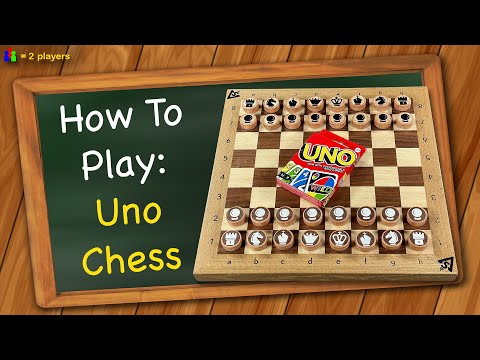
Chess960 Training Course for Club Players: Practical Guidance for Your Chess Club
Understanding Chess960 and Its Appeal for Club Players
Chess960, also known as Fischer Random Chess, rearranges the back‑rank pieces into one of 960 possible starting positions. This variation eliminates opening preparation as a dominant factor, forcing players to rely on pure calculation and creativity from move one. For club players who want to sharpen their fundamental skills, Chess960 offers a fresh battlefield where memorized lines no longer provide an unfair edge.
Club environments thrive on variety and engagement. Introducing a Chess960 training course for club players can revitalize weekly meetings, attract newer members, and give seasoned players a reason to revisit basic principles. The novelty also encourages discussion about strategic concepts that apply across all chess variants, making the learning experience richer and more collaborative.
Core Features to Look for in a Chess960 Training Course
When evaluating a Chess960 training course for club players, focus on the concrete features that translate into real learning time. A well‑structured curriculum should combine theory, practice, and feedback loops tailored to the club setting.
- Progressive lesson modules: Lessons that start with piece placement basics and advance to complex middle‑game plans.
- Interactive puzzles: Position‑specific tactics that adapt to each of the 960 start positions.
- Live board demonstrations: Video or streamed sessions showing how castling works in Chess960 on a live board, helping players visualize the rule in action.
- Performance tracking: Dashboards that record a player’s improvement across drills and games.
- Coach support: Access to qualified instructors for Q&A, either through chat or scheduled office hours.
Additional considerations include mobile compatibility, the ability to host private club tournaments within the platform, and integration with popular chess engines for post‑game analysis.
Benefits of Structured Training for Club Members
Structured training brings consistency to a club’s educational efforts. Members know exactly what to expect each week, which improves attendance and motivation. A clear syllabus also helps club leaders allocate time efficiently, balancing casual play with focused study.
Beyond attendance, the benefits extend to skill development. Regular exposure to unfamiliar openings builds adaptability, a quality that transfers to classical chess and other variants. Moreover, the community aspect of a shared course fosters peer‑to‑peer learning, as players discuss solutions and compare results on a common platform.
Typical Course Formats and Delivery Methods
Online Self‑Paced Modules
Self‑paced courses allow members to study at their own speed, revisiting challenging concepts as needed. This format works well for clubs with irregular meeting times or for members who travel frequently.
Live Virtual Workshops
Live webinars provide real‑time interaction with an instructor and enable immediate feedback. Clubs can schedule a weekly workshop that aligns with their regular meeting schedule, turning a virtual session into a collaborative event.
In‑Person Club Sessions
Some clubs prefer a hands‑on approach, using printed worksheets and board setups. In‑person sessions reinforce the material covered online and give members a tangible way to experiment with different starting positions.
Pricing Models and What to Expect
Pricing for a Chess960 training course for club players varies based on depth of content, instructor involvement, and platform features. Below is a general comparison of common pricing structures.
| Model | Typical Cost per Player | Key Inclusions | Best For |
|---|---|---|---|
| Monthly Subscription | $10‑$20 | Unlimited access to lessons, puzzles, and community forums | Clubs with rotating membership |
| One‑Time License | $150‑$300 | Lifetime access, offline materials, and occasional updates | Clubs that prefer a single payment |
| Instructor‑Led Package | $25‑$40 per session | Live coaching, personalized feedback, and custom curriculum | Clubs seeking high‑touch guidance |
When budgeting, remember to factor in any additional costs such as premium chess engine licenses, tournament prizes, or supplemental study materials. Many providers also offer group discounts, so inquire about rates for ten or more participants.
Setting Up and Integrating the Course into Your Club Routine
Successful integration starts with a clear onboarding plan. Below is a step‑by‑step checklist to help clubs launch a Chess960 training course for club players without disruption.
- Identify a primary coordinator who will manage subscriptions and schedule sessions.
- Choose a platform that supports both online and in‑person components.
- Communicate the new program to members via email, social media, and club newsletters.
- Schedule a kickoff meeting to demonstrate the dashboard and walk through the first lesson.
- Set recurring times for practice puzzles and live workshops, ensuring they fit the existing club calendar.
- Gather feedback after the first month and adjust the pace or format as needed.
By following these steps, clubs can maintain momentum and avoid the common pitfall of low participation.
Support, Community, and Ongoing Resources
Robust support is a critical factor when selecting a Chess960 training course for club players. Look for providers that offer multiple channels—email, chat, and a dedicated community forum—so members can get help quickly.
Beyond technical support, a thriving player community adds long‑term value. Forums where members share game analyses, discuss puzzling positions, and organize informal tournaments keep engagement high even after the formal curriculum ends.
Common Pitfalls and How to Avoid Them
Even the best‑designed courses can encounter obstacles if clubs are not prepared. Recognizing these pitfalls early helps maintain enthusiasm.
- Over‑loading the schedule: Adding too many training hours can lead to fatigue. Balance lessons with regular club play.
- Ignoring skill variance: One‑size‑fits‑all lessons may leave beginners behind. Choose a platform that offers tiered difficulty levels.
- Lack of feedback: Without instructor input, players may reinforce bad habits. Ensure the course includes regular review sessions.
- Insufficient promotion: Members need to know the benefits. Use club newsletters and social media to highlight success stories.
Addressing these issues proactively creates a smoother learning curve and higher retention rates.
Making the Decision – Is a Chess960 Training Course Right for Your Club?
Choosing a Chess960 training course for club players should align with your club’s goals, budget, and member interests. If your group seeks to deepen strategic understanding, embrace variety, and foster a collaborative learning environment, the investment is likely to pay off.
Take a trial period if possible, involve a small focus group of members, and compare the experience against your current training methods. When the course matches the club’s culture and offers reliable support, it becomes a powerful tool for elevating the overall skill level and keeping members engaged.
Boost your club’s Chess960 skills today by starting a free trial at how castling works in Chess960 on a live board.